You've probably heard the phrase: "We all have mental health." It's a simple statement, but it carries a profound message, aiming to shift our perspective and break down the walls of stigma that have long surrounded discussions about our minds. Far too often, "mental health" has been mistakenly linked only to "mental illness," creating a false idea that it's something only some people deal with.
At Pocket Mate, we know that just like physical health, every single one of us has mental health. It's a universal part of the human experience, constantly changing and deserving of our attention.
The most important concept behind acknowledging that “we all have mental health” is that it exists on a spectrum.
Imagine a line: on one end, you might be "flourishing" or "thriving," feeling engaged, resilient, and generally well. On the other hand, you might be experiencing significant distress or a diagnosed mental illness that makes daily life very challenging. Most people, at any given time, fall somewhere in the middle.
It’s a fundamental truth that we all have mental health. It’s crucial to understand this because it makes the idea of mental health and seeking guidance for help less taboo.
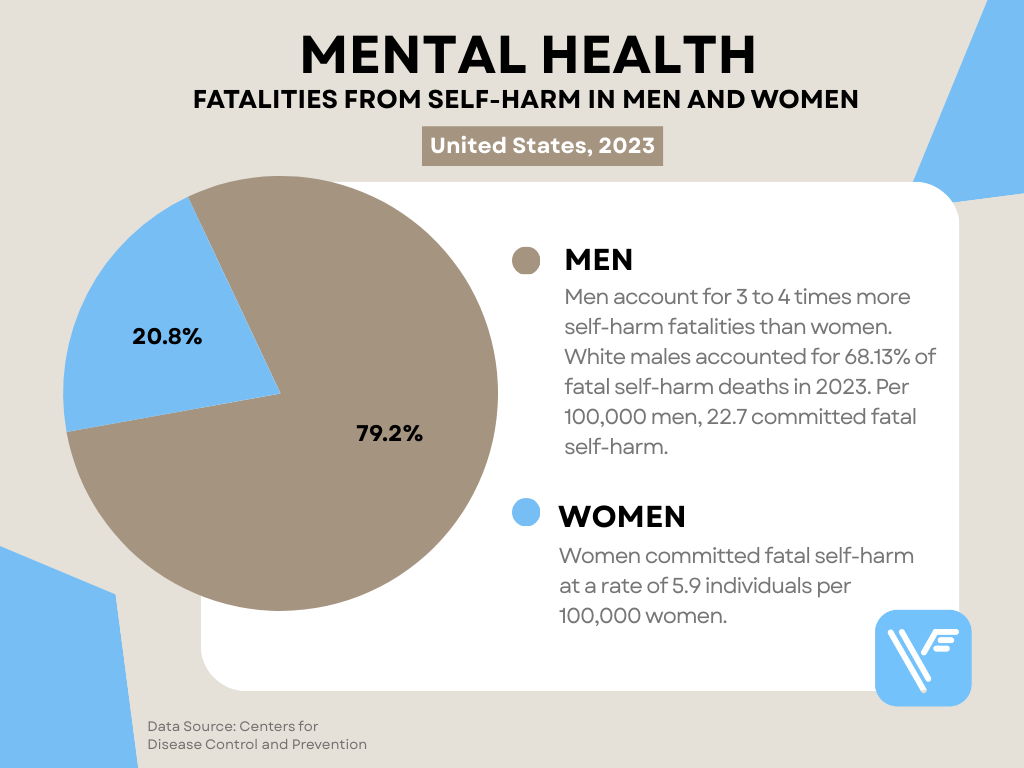
In the Western world, it's a stark and somber reality that men are three to four times more likely than women to die by self-inflicted harm. This tragic disparity is often linked to societal pressures that teach men from a young age to suppress emotions, viewing vulnerability or seeking help as a sign of weakness. While women experience severe mental health issues at similar rates, cultural and societal norms often make it to where it is more acceptable for women to open up and access necessary intervention.
Understanding this dynamic is crucial, as reaching out for support is a fundamental step toward healing. Given that seeking help can be challenging for anyone, despite background, it's vital to actively encourage your family and friends to connect with mental health professionals when they need guidance.
Our mental health isn't static; it's dynamic, constantly shifting in response to our daily lives, circumstances, and interactions. Just like one day you might feel strong enough to lift heavy weights, and the next you're a bit tired and not even up for a walk, your mental well-being also shifts and changes.
Think about these scenarios, for example:
| What Happened | How It Effects Your Mental Health |
|---|---|
| The deadline at work is coming up, and you are behind. | This can cause anxious feelings, making you more irritable. |
| You disagree with a loved one. | This can make you feel sad and withdrawn from your loved one, and if left unaddressed, it can fester into resentment. |
| You receive good news about a job you’ve been looking forward to. | This can boost your mood and energy, bringing a wave of relief as financial worries ease with the new offer. |
| You get a good night's sleep and a big breakfast. | When your body isn't battling hunger or extreme tiredness, you'll feel mentally sharper and more focused, allowing your system to perform at its best. |
Recognizing that we all have mental health empowers us to understand that these ups and downs are normal. It's okay to feel stressed, sad, or overwhelmed sometimes. It doesn't mean you have a "problem"; it means you're human.
The parallel between mental and physical health is incredibly strong. We understand that to maintain good physical health, we need to eat well, exercise, get enough sleep, and visit a doctor when we're sick. The same principles apply to our mental well-being.
Embracing the simple yet profound truth that we all have mental health is a powerful step towards a more compassionate and understanding society. It helps to reduce stigma, encourage intervention early, and promote proactive care.
AI Listener is here to help, offering open, honest, and supportive communication through our AI chatbot companion. We understand that seeking mental health support can feel overwhelming, which is why AI Listener is designed to help you receive the guidance you need without any added pressure.
One of the greatest advantages of talking to an AI companion is the freedom it provides. You can speak freely, explore your thoughts, and process emotions without the fear of judgment or social expectations. There's no need to worry about what someone else might think, allowing for a level of raw honesty that can be incredibly therapeutic. This private space is always available, ready to listen whenever you need it most.
Your trust and privacy are our main priority. We are fully HIPAA compliant, which means we do not share or store any of your sensitive data. We actively work to continuously improve our security functionality, ensuring you are always protected and can speak freely with complete peace of mind.
Are you ready to begin your healing journey?
**NOTE: AI Listener is not a crisis center. If you need immediate support, please contact the National Suicide Crisis Prevention Hotline: Call 988, The National Suicide Prevention Lifeline: 800-273-8255, Crisis Text Line: 741741
Copyright © 2025 Pocket Mate AI ™